
Why Flags Fray at the Fly End First
Posted by Hayley Adams on Mar 12th 2026
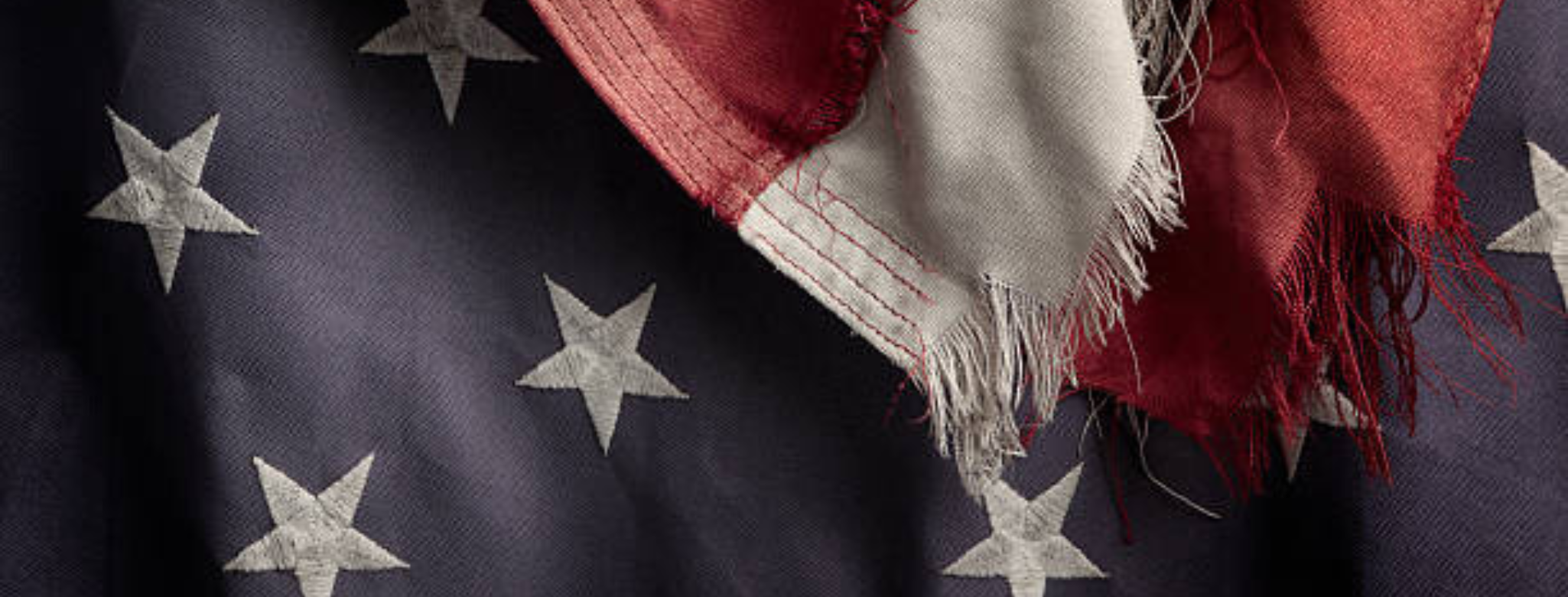
If you've flown a flag for any length of time, you've probably noticed the same pattern: the end farthest from the pole, called the fly end, always shows wear first. Fraying starts at that outer edge, working its way inward until the flag eventually needs replacement. The reason comes down to how wind moves your flag.
How Wind Wears Down Your Flag
When wind catches your flag, it creates a whipping motion that travels from the pole outward. Think of cracking a whip, the handle stays relatively still while the tip snaps violently. Your flag does the same thing. The fly end whips back and forth with every gust, sometimes at incredible speeds, while the part attached to the pole barely moves.
All that motion takes a toll. The fly end is working harder than any other part of the flag, which means it wears out faster.
Stress Concentrates at the Edge
The fly end also takes the brunt of weathering. Rain, sun, ice, and wind all hit that exposed edge harder than any other part of the flag. The combination of constant motion and direct exposure breaks down the fabric fibers over time. Stitching unravels, threads separate, and eventually, you see those frays.
This isn't a sign of poor quality, it's just how flags wear. Even the most durable nylon or polyester flag will eventually fray at the fly end. It's the part of the flag doing the hardest work.
What This Means for Flag Care
Fraying at the fly end is normal and expected. Minor fraying doesn't mean your flag needs immediate replacement. A few loose threads are just part of the flag's life cycle. However, once the fraying becomes significant, when it extends more than a couple of inches into the field, or when the flag looks visibly tattered, it's time for a new one.
Regular inspection helps you catch excessive wear before it becomes disrespectful. Check your flag every few months, especially after severe weather. When the fly end starts looking rough, you'll know it's served its time proudly.
The flag that's fraying at the fly end has been doing exactly what it's supposed to do: flying.