
History You Didn't Know: From Armistice Day to Veterans Day
Posted by Hayley Adams on Nov 5th 2026
Next Wednesday, November 11th, Americans will honor those who have served in the military. But Veterans Day wasn't always called that, and it wasn't always about veterans. The story of how it changed says a lot about how the country's idea of remembrance has grown.
The 11th Hour
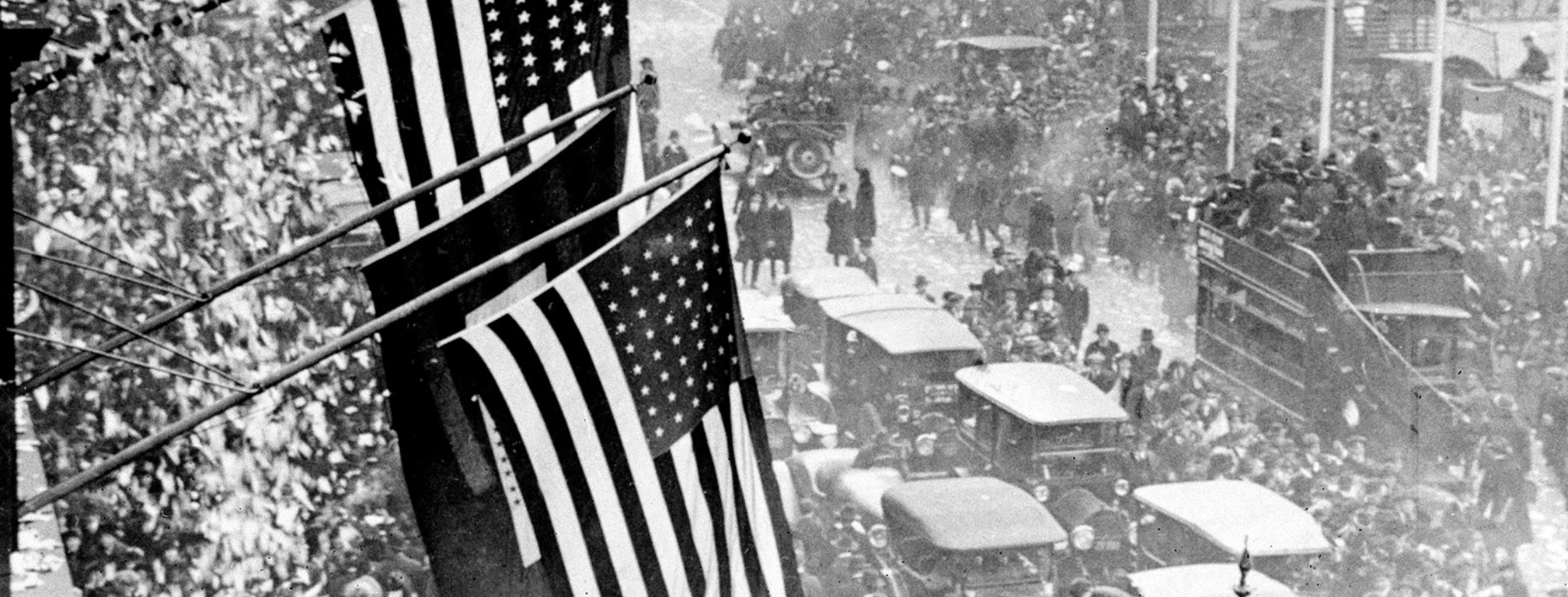
The day began as a celebration of peace. Fighting in World War I ended with an armistice that took effect at 11:00 a.m. on November 11, 1918, the 11th hour of the 11th day of the 11th month. A year later, President Woodrow Wilson proclaimed the first Armistice Day, calling for a day of reflection on the sacrifices of the war and gratitude for its end.
A Day for Peace
In 1938, Congress made November 11th a legal federal holiday, still called Armistice Day and dedicated to the cause of world peace. At the time, many people hoped World War I would be "the war to end all wars." Of course, that hope didn't hold.
The Holiday That Moved
In 1968, Congress passed a law moving several federal holidays to Mondays to create long weekends. Starting in 1971, Veterans Day was celebrated on the fourth Monday in October. It didn't go over well. Many states kept observing November 11th, and people felt the date was part of what made the day meaningful. In 1975, President Gerald Ford signed a law returning the holiday to November 11th, and the change took effect in 1978.
Still Armistice Day Elsewhere
In Canada, the United Kingdom, and many other countries, November 11th is still observed as Remembrance Day or Armistice Day, often with poppies worn in honor of those who died. In the U.S., Veterans Day is meant to honor all who served, living and gone, while Memorial Day is reserved for those who died in service.
Flag Note for November 11th
Unlike Memorial Day, Veterans Day is a full-staff observance, so the American flag flies at the top of the pole. It's a celebration of service, and flying the flag high is a simple way to say thank you.
From a day that marked the end of a war to one that honors the people who served in all of them, the date has stayed the same even as its meaning has grown.