
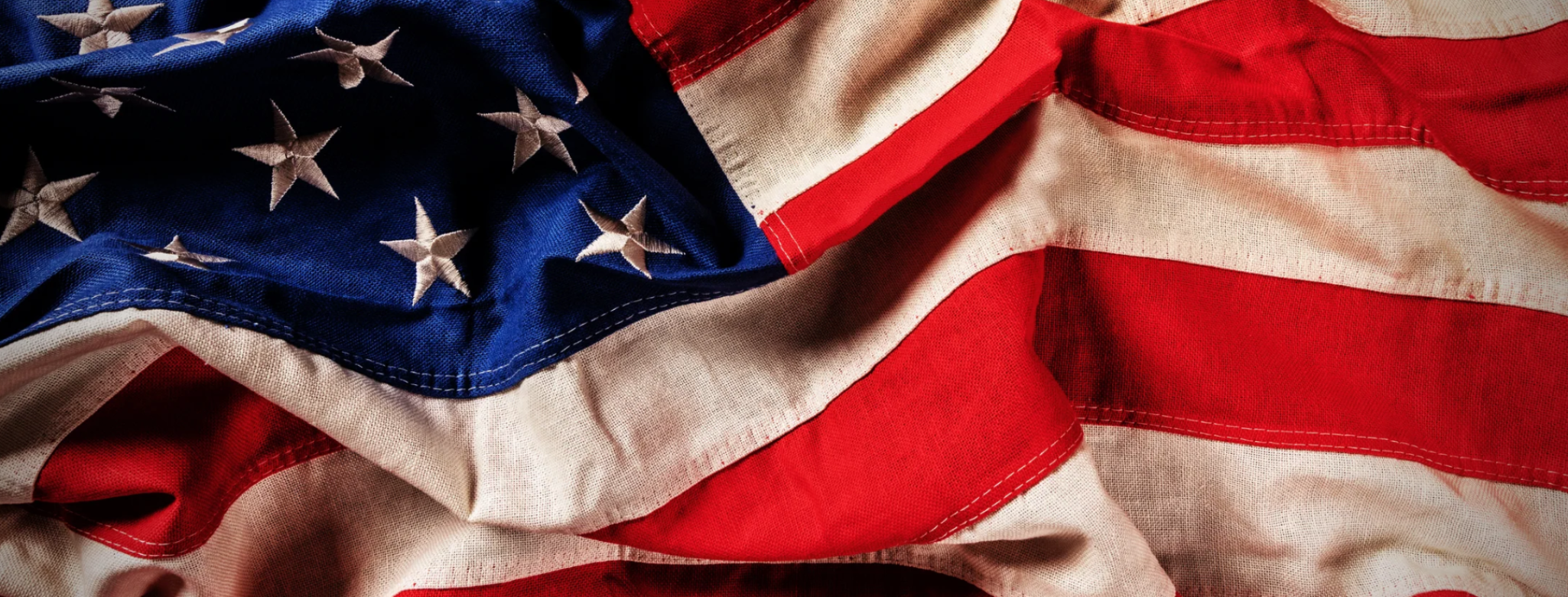
The Flag in 1776 vs. Today: 250 Years of American Pride
Posted by Hayley Adams on Jun 25th 2026
As we celebrate America's 250th birthday, it's worth pausing to reflect on how much, and how little, has changed about the symbol that represents our nation. The American flag has been through 27 different versions, countless battles, and centuries of American history. Yet its meaning remains as powerful today as it was when it first flew in 1776.
The Original Flag
In 1776, the flag was a symbol of rebellion and hope. Betsy Ross's hand-stitched creation featured 13 stars arranged in a circle and 13 red and white stripes, one for each of the original colonies. That flag was made from cotton, painstakingly sewn by hand, and flew over uncertain times. There was no guarantee the fledgling nation would survive.
The flag meant defiance. It meant independence. It meant the radical idea that a people could govern themselves.
Today's Flag
Today's flag features 50 stars, one for each state, and still flies 13 stripes honoring those original colonies. It's manufactured from durable nylon or polyester, engineered to withstand heat, rain, and intense UV rays. Modern flagpoles are created for strength, and display options range from simple residential poles to amazing commercial installations with creative lighting systems.
Yet the flag's meaning hasn't fundamentally changed. It still represents freedom, unity, and the promise of America.
What's Evolved
The physical flag has improved dramatically. Modern materials last longer, hold their color better, and perform in conditions that would have destroyed a cotton flag within months. Flag etiquette has formalized into a code, a set of respectful traditions for display and care. Flagpoles themselves have become percise instruments, with options like dark sky compliant lighting and internal halyard systems.
The flag has also become more accessible. In 1776, flags were rare, hand-made, and precious. Today, nearly every home and business can fly one.
What Remains Constant
Despite 250 years of change, one thing has remained unwavering: what the flag represents. It still symbolizes the courage of those who fought for independence. It still stands for liberty and justice. It still unites Americans across regions, generations, and backgrounds.
The Betsy Ross flag and today's 50-star flag look different, but they carry the same spirit. They represent the same commitment to freedom that inspired thirteen colonies to declare independence in 1776.
As we look ahead to the next 250 years, the flag will continue to evolve in design, in materials, and in how we display it. But its meaning? That will endure.